When you tour a condo in Quails Run or step onto the sundeck at a Sandpiper Key unit overlooking Lemon Bay, what's the first number you check? Most buyers glance at price per square foot, maybe the HOA fee, then move on to cabinets and closets. In Englewood right now, that habit can cost you five figures after closing.
The number that actually predicts your future costs isn't on the listing sheet at all. It's the year stamped on the building's certificate of occupancy, measured against a set of Florida deadlines that arrived hard in 2025 and 2026. Englewood's condo stock is old enough that this isn't a hypothetical for a handful of buildings. It's the baseline condition of the market.
What "Built Around 1979" Actually Means Here
Englewood's condo inventory runs from beachfront units built as far back as 1952 to new construction completed this year, but the bulk of the stock dates to around 1979. Do the math on that and something becomes obvious: a condo built in 1979 turned 30 back in 2009, meaning it should already be on its second required milestone inspection cycle, not its first. A building that age has already crossed every threshold Florida's post-Surfside laws created.
Florida Statute 553.899 requires a structural milestone inspection by December 31 of the year a condo building turns 30, then again every 10 years after that, for any residential building three or more habitable stories tall. Local building departments can require the first inspection at 25 years instead of 30 in higher-risk coastal locations. Either way, a huge share of Englewood's condo buildings aren't approaching this deadline. They're years past it.
The companion requirement is the Structural Integrity Reserve Study, or SIRS, which forces associations to fund reserves for major structural components instead of voting to waive that funding the way many did for decades, as The HOA Guide explains. The state's own condo division set December 31, 2025 as the deadline for associations that existed before July 1, 2022 to have that study completed. That date has already passed. Any Englewood building in that category either has a current SIRS on file or is already out of compliance.
The Grace Period Ended in December 2024
For years, Florida condo boards could vote to underfund reserves and keep monthly dues artificially low. That option closed for structural components in budgets adopted on or after December 31, 2024. SavingAdvice described 2026 as the year "the bill for that deferred maintenance has come due all at once" for owners across the state.
That's not scare language. It's the mechanical result of a law finally catching up to buildings that deferred roof, concrete, and waterproofing work for 20 or 30 years. Gulf-facing buildings age faster than inland ones because salt air accelerates concrete and steel deterioration, which is exactly the condition much of Englewood's older beachside and bayfront stock sits in.
Here's what that means when you're comparing a 1979 building to a 2015 one, using nothing but the statutory clock:
| Certificate of Occupancy Year | Approximate Age in 2026 | Milestone Inspection Status |
|---|---|---|
| 1979 (Englewood's typical condo vintage) | 47 years | Past first inspection, likely due or overdue for second 10-year cycle |
| 1996 | 30 years | First milestone inspection due now |
| 2015 | 11 years | Not yet triggered |
Two buildings a block apart in Englewood, both listed at similar price per square foot, can sit in completely different rows of that table. Only one of them tells you anything about the reserve fund you're about to inherit.
The Documents That Matter More Than the Photos
None of this shows up in a virtual tour. It shows up in paperwork most buyers don't ask for until an agent tells them to. Before writing an offer on any Englewood condo in a building three stories or taller, request these directly:
- The estoppel certificate
- The last 12 months of board meeting minutes, since a discussed-but-not-yet-approved assessment often shows up there before it shows up anywhere official
- The most recent milestone inspection report, including whether Phase 2 was triggered
- The SIRS funding schedule, which tells you whether the association is actually saving what the study says it needs, not just what it used to save under the old waiver rules
Timing matters here as much as the documents themselves. BoardDeadline says Florida law requires condo boards to give owners at least 14 days' written notice before a board meeting where a special assessment will be considered. That's a short window if you're already under contract and the board votes the week before your closing date. Pulling minutes early, rather than waiting for the estoppel to arrive late in escrow, is what separates a clean closing from a renegotiation at the table.
One more piece of good news buried in the 2024 governance law: associations with 25 or more units are now required to post governing documents, budgets, and reserve studies to a website or app starting this year, and owners have a legal right to view a completed SIRS or milestone report within 30 days of its completion. If a building can't produce that access, that's information in itself.
What This Has Looked Like in Dollars
Special assessments tied to concrete restoration, roof replacement, or insurance shortfalls in Englewood's older mid-tier buildings have recently landed in the range of a few thousand dollars up to around $20,000 per unit, depending on the scope of the repair and how underfunded the reserve was going in. That's a wide range, and it's exactly why the documents above matter more than the number a listing agent quotes you verbally. A building with a fully funded SIRS and a completed milestone inspection can sail through a special assessment as a modest, planned expense.
This is also why not every property in Englewood carries this exposure the same way. Newer construction, like the homes going up in Boca Royale, isn't a condominium association under Chapter 718 and doesn't face milestone inspections or SIRS requirements at all. If a low-maintenance lifestyle is the goal but the SIRS conversation feels like more risk than you want to take on, that's a real distinction worth walking through property by property rather than assuming every association in town carries the same exposure.
A Few Questions Worth Settling Before You Tour
Does this apply to single-family homes or HOA communities near Historic Dearborn Street? No. Milestone inspections and SIRS only apply to condominium and cooperative buildings three or more habitable stories tall under Chapter 718. Single-family HOAs governed by Chapter 720 follow a much looser set of reserve rules and can still vote to underfund non-structural items.
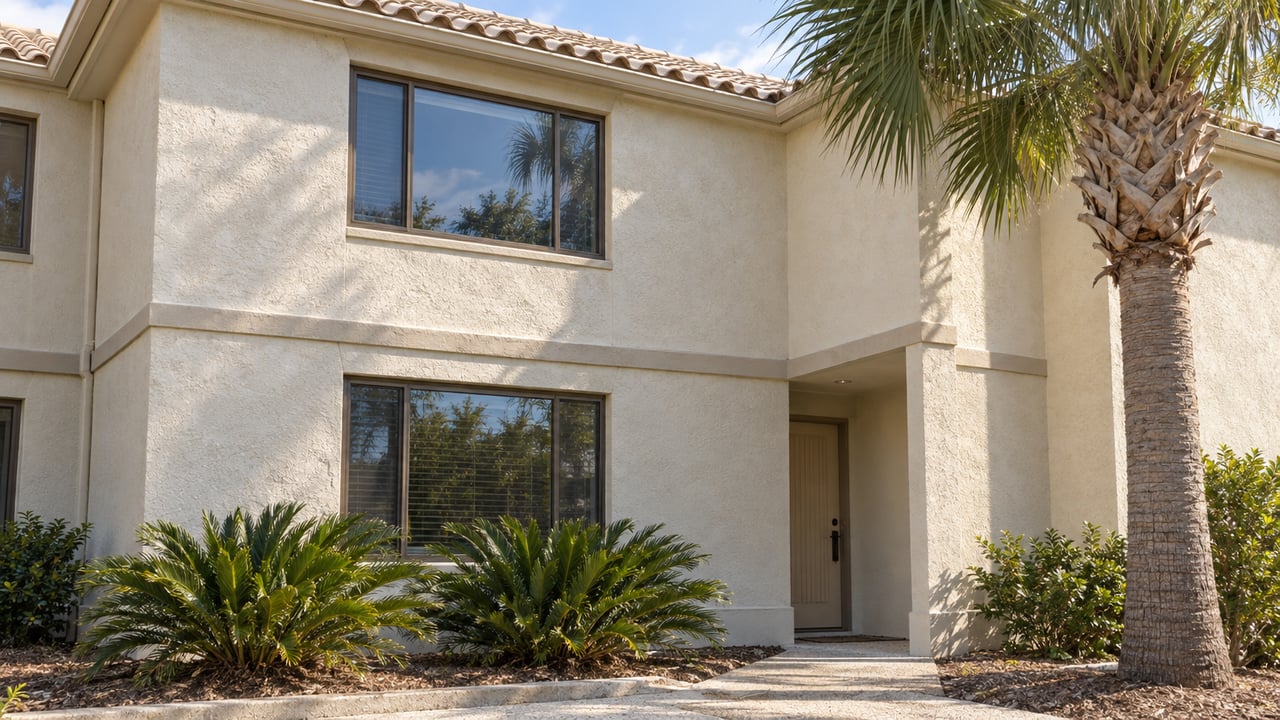
What about a low-rise building, like a two-story garden condo? Buildings under three habitable stories are generally exempt from the SIRS and milestone inspection mandates. That doesn't mean reserves are automatically healthy. Chapter 718's ordinary reserve rules for roofs, painting, and pavement still apply, and owners in those buildings can still vote to underfund them, so the same documents are worth requesting even when the statutory trigger doesn't apply.
How do I confirm a specific building's status before making an offer? Ask the listing agent or property manager directly for the milestone inspection report and current SIRS, or check whether the association has posted them online as larger associations are now required to do. If neither is available on request, treat that as part of your due diligence timeline, not an afterthought.
Buying a condo in Englewood right now means buying into a building's relationship with a law that changed the rules on deferred maintenance for good. The view from the lanai tells you nothing about that. The paperwork does.
If you're weighing a specific building in Englewood and want a second set of eyes on the SIRS status, the board minutes, or how a pending assessment might affect your closing timeline, Florida Living Team SWFL can help you get the right documents in hand before you write an offer. Let's Get Started.
This article is general information, not legal, tax or financial advice. Consult a qualified professional about your situation.