Most Punta Gorda buyers treat the wind mitigation inspection as a small line item on the closing disclosure. Something the lender wants, the insurance agent will handle, the seller might already have on file. That framing costs money in almost every direction. It costs the buyer discounts they could have banked from day one. It costs the seller a cleaner listing story. And in 2026, with the My Safe Florida Home program back in play, it can cost a homeowner a five-figure matching grant they had no idea they qualified for.
The playbook below reorders that thinking. The wind mitigation report is not paperwork. It is the pivot document that connects three different money moves in a Punta Gorda transaction, and the sequence matters more than the price.
A wind mitigation certificate is a single-page form, OIR-B1-1802, that tells your carrier which hurricane-hardening features your house already has. The savings it triggers can range from a modest credit to a premium cut of nearly half, and in Punta Gorda that spread is where the real work lives.
The one form that changes the math
A Wind Mitigation Inspection uses form OIR-B1-1802 to document a home's hurricane-resistant features for insurance discounts of 20 to 45 percent. Other local inspectors cite a wider range. Paradise Inspections notes that it is common to see reductions of 15 to 70 percent on wind-related premiums, depending on which mitigation features the home actually verifies.
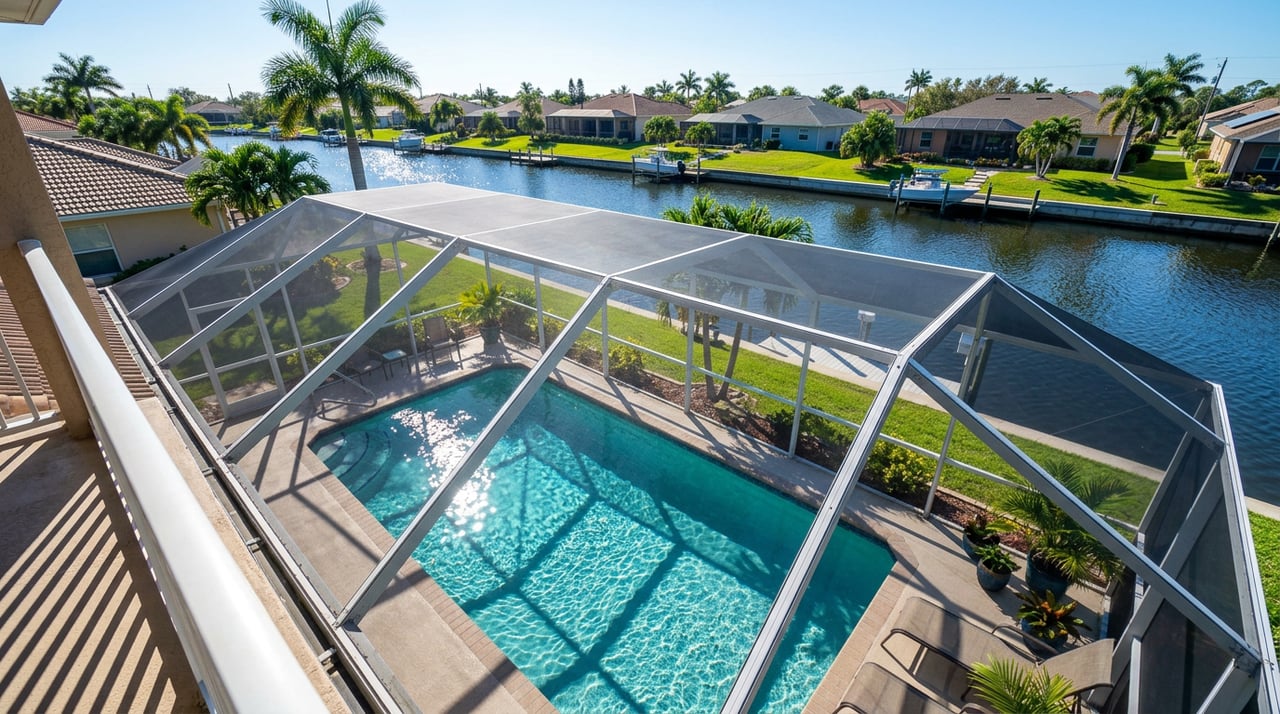
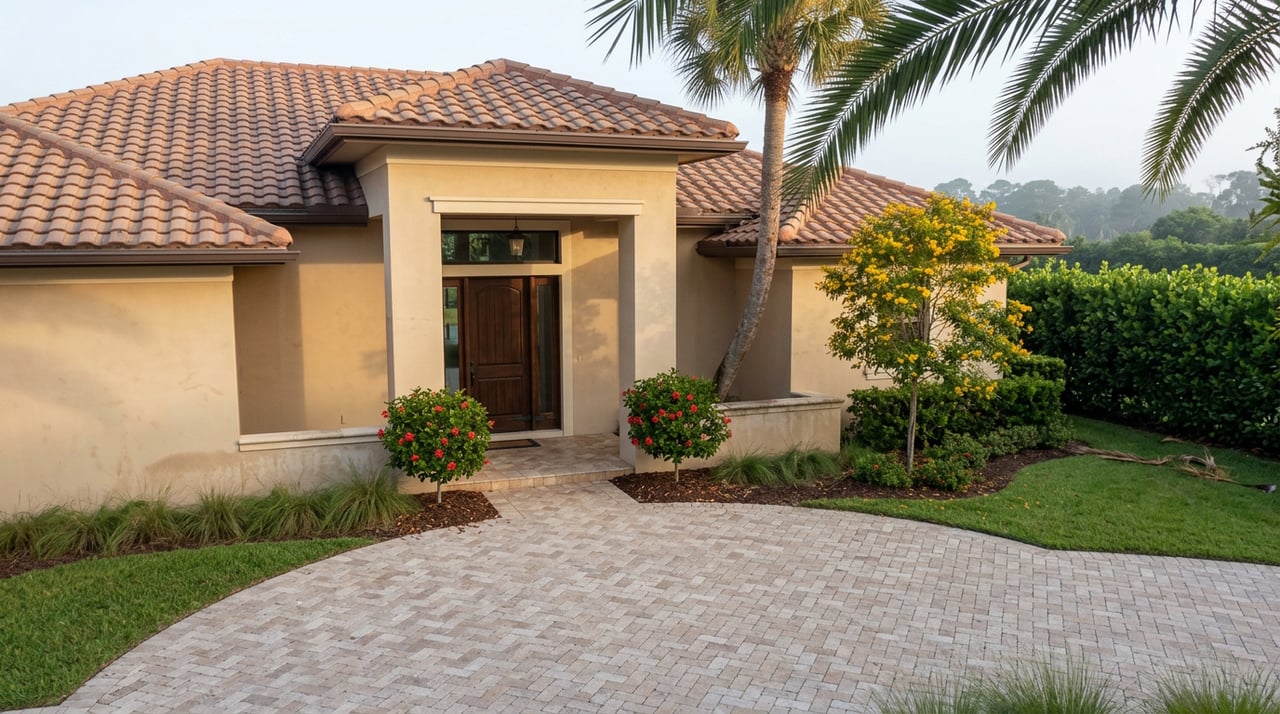
Two homes on the same Punta Gorda Isles cul-de-sac can sit at opposite ends of that spread. The one built to the 2002 code with a hip roof, secondary water barrier, and impact-rated openings collects most of the available credits. The one from 1978 with a re-roofed gable and no opening protection collects almost none. The house looks similar from the curb. The premium does not.
For buyers, the takeaway is not that a wind mit report will lower a bill. It is that the report defines the ceiling of every insurance conversation that follows. Order it before the appraisal, not after.
The order that saves the most money
The inspections most Charlotte County buyers encounter in a single transaction, in the sequence that actually helps:
- Wind mitigation inspection. Local pricing at Punta Gorda Home Inspection Professionals starts around $99. Establishes the discount ceiling and, more importantly, produces the punch list of what would need to change to raise it.
- 4-point inspection. Insurance carriers focus on four claim sources on older homes: roof, plumbing, electrical, and HVAC. Local inspectors identify safety concerns, threats, and property code violations across those systems. Required by most carriers for homes past a certain age before they will bind.
- Full home inspection. The standard buyer-side condition report.
- My Safe Florida Home inspection. Free, state-funded, and separate from the private wind mit above. The MSFH inspector produces a retrofit recommendation the state will then help pay for.
The order matters because the private wind mit report tells the buyer whether the MSFH grant is even worth chasing. If the house already qualifies for the top-tier discounts, the grant improves marginal features. If it does not, the grant can rewrite the insurance number entirely.
The 2002 line that splits Punta Gorda in half
Charlotte County's housing stock straddles a code change that most out-of-state buyers have never heard of. Homes built in 2002 or later were built under the 2002 Florida Building Code updates, which include wind mitigation features. Older homes can be retrofitted to satisfy the newer standards and qualify for insurance discounts, but a certified wind mitigation inspection is still required either way.
That single date reshapes the map. Newer Deep Creek and Burnt Store Meadows product tends to come pre-loaded with the discount features. Historic-district homes, older canal builds in Punta Gorda Isles, and the pre-2000 inventory scattered through the city are the ones where retrofits and grant money actually move the needle.
One more detail buyers underestimate: a Punta Gorda wind mitigation inspection expires after five years, at which point a new one is required to maintain any insurance discounts. Sellers who bought during the 2020 to 2021 rush are quietly hitting that renewal window right now. A stale certificate on file is not a certificate.
The grant with a Punta Gorda-shaped hole
The My Safe Florida Home program is the piece most buyers miss because it lives outside the closing table. For Punta Gorda residents, especially those in older, historic homes near Downtown or Retta Esplanade, the biggest opportunity lies with the My Safe Florida Home program, which provides matching grants of $2 for every $1 spent, up to a maximum grant of $10,000, meaning a typical maximized project spends about $15,000.
That is real money on a hardening project. The catch is who qualifies.
- Eligibility requires a site-built, single-family residential property with a homestead exemption and an insured value of $700,000 or less.
- Applicants must first request a free wind mitigation inspection, and an inspector visits the home to recommend specific upgrades such as impact windows or reinforced garage doors.
- The Florida Legislature has continued to fund the program due to high demand, but because it operates first-come, first-served, residents should apply as early as possible.
Read the eligibility list against the Punta Gorda inventory and the hole appears immediately. Waterfront homes in Punta Gorda Isles that reappraised above $700,000 during the last cycle are cut off. Second homes and seasonal rentals without homestead are cut off. Condos and attached villas are cut off. The program is aimed squarely at the primary-residence, single-family, mid-market house, which describes a large share of the older neighborhoods and a shrinking share of the canal-front stock.
For buyers, the practical read is this: if a target home sits under the $700,000 insured value ceiling and the plan is to homestead it, the MSFH grant is a material part of the offer math. If the home is over that ceiling, the wind mit report is still the right first move, but the money will come from carrier discounts and the federal energy-efficiency credit rather than the state.
The salt-air clause on PGI and Burnt Store Isles
Buyers who do clear the eligibility gate for a canal property run into a second Punta Gorda-specific detail that does not appear in the general grant literature. Homes in Punta Gorda Isles and Burnt Store Isles are treated the same way for grant purposes, but waterfront homes in these areas often require specific salt-resistant frames, such as vinyl, to handle the brackish air from the canals and the Peace River.
That single specification changes which impact-window quotes are apples to apples. An aluminum-framed product priced for an inland Deep Creek retrofit can look 20 percent cheaper than the vinyl equivalent quoted for a house three blocks from a seawall. On a $15,000 project sized to maximize the state match, the frame material is not an aesthetic choice, it is a durability requirement that determines whether the improvement holds up to the environment it lives in.
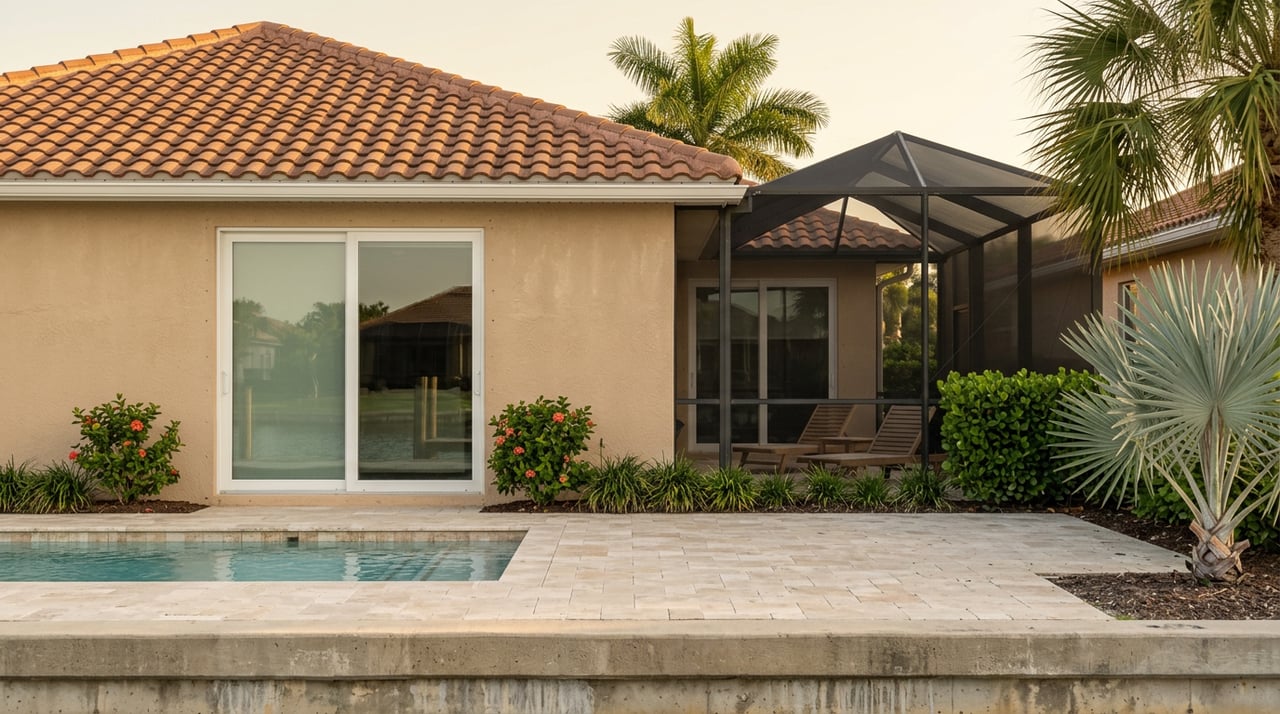
A related note for buyers looking at pre-2002 canal homes: the wind mit inspection scores opening protection as a package. Mixing an impact front door with unprotected sliders will not clip the top discount. When budgeting a retrofit under the grant, hardening every opening on the same visit is usually the move.
What sellers should do six weeks before listing
Listing prep in Punta Gorda has quietly shifted. A seller who walks into a listing appointment with a current wind mit certificate, a clean 4-point, and, where the numbers work, a completed MSFH retrofit tells a different story than one who leaves those items for the buyer to discover during due diligence. The first house closes on schedule. The second one loses two weeks to insurance underwriting and, often, a price concession that costs more than the inspections would have.
For owners under the $700,000 threshold, the MSFH window is worth watching this year specifically because demand keeps outrunning appropriations. The homes that get grants funded are the ones whose owners applied early in the cycle, not the ones that waited until they had a contract to sign.
The bottom line on the paperwork
The reason to lead with the wind mit inspection in a Punta Gorda transaction is not the $99 fee or the potential premium discount, though both matter. It is that the report is the only document that connects the private insurance market, the state grant program, and the buyer's contingency period into a single conversation. Order it early, read it carefully, and every downstream decision, from offer price to retrofit budget to listing date, gets easier.
If you are working through a Punta Gorda purchase or preparing a home to sell and want a second set of eyes on how these three pieces stack for your specific address, Bobbie Leahey and the Florida Living Team walk clients through this sequence every week. Let's get started.