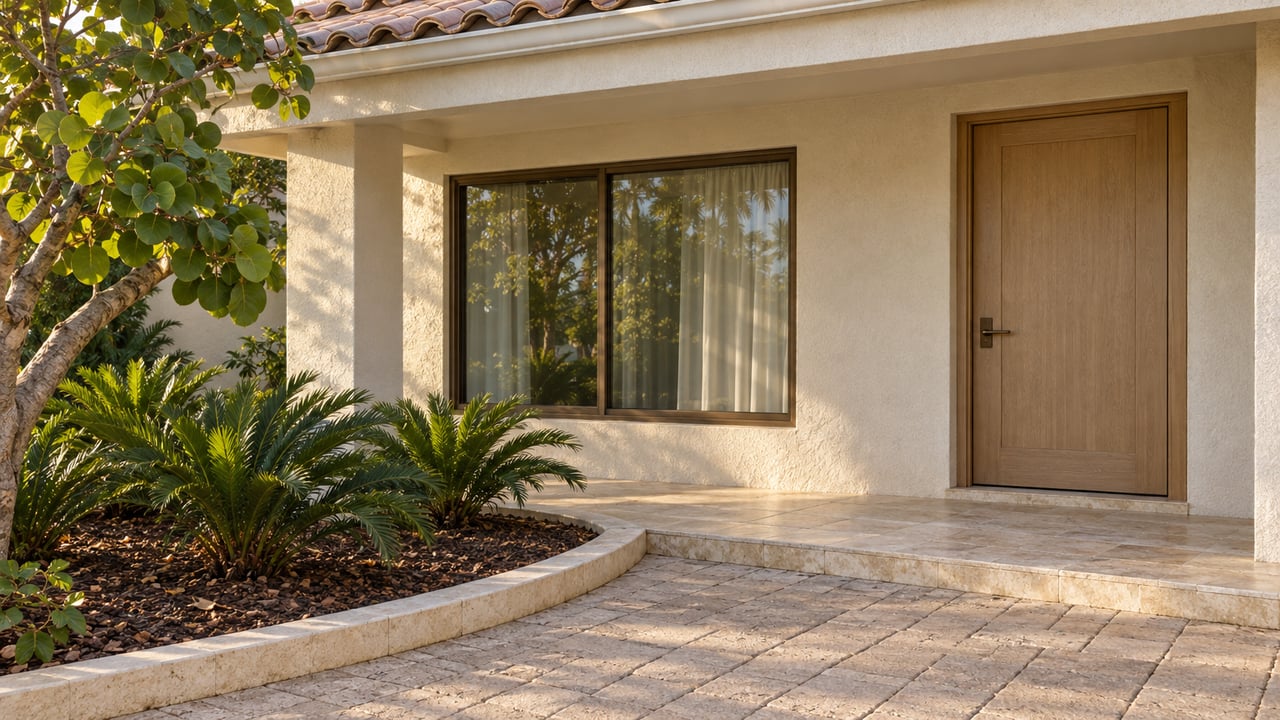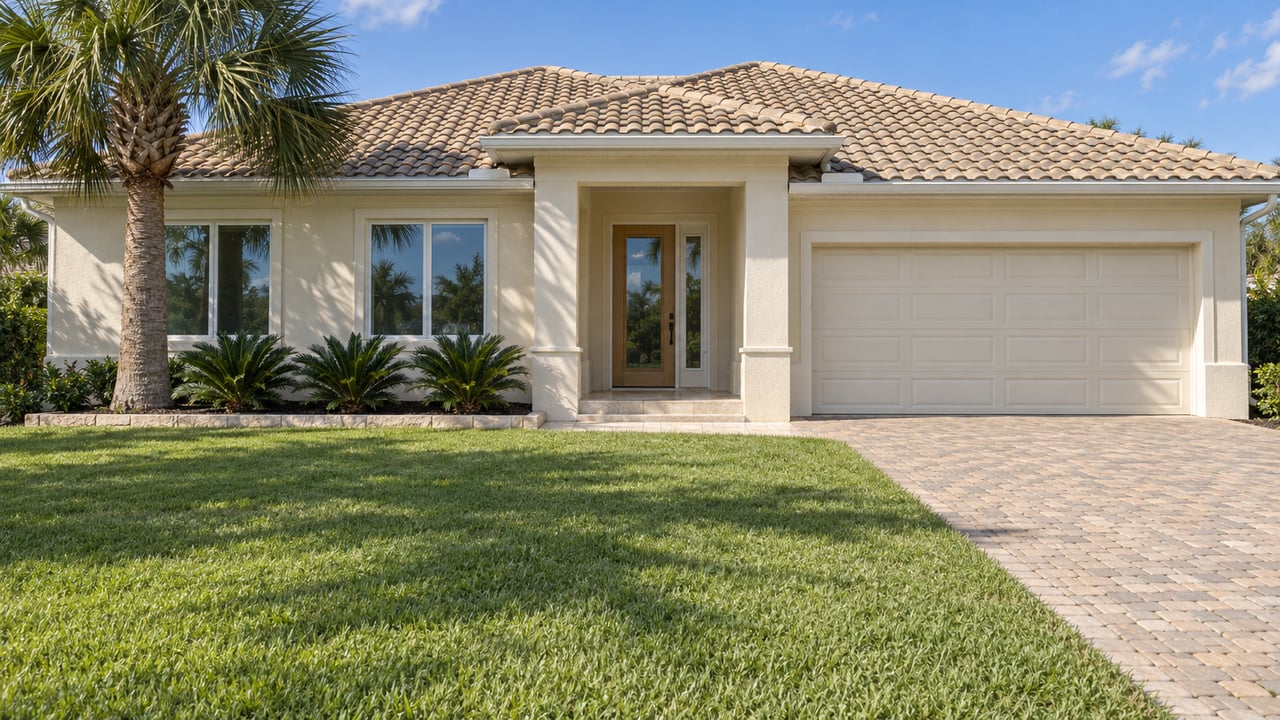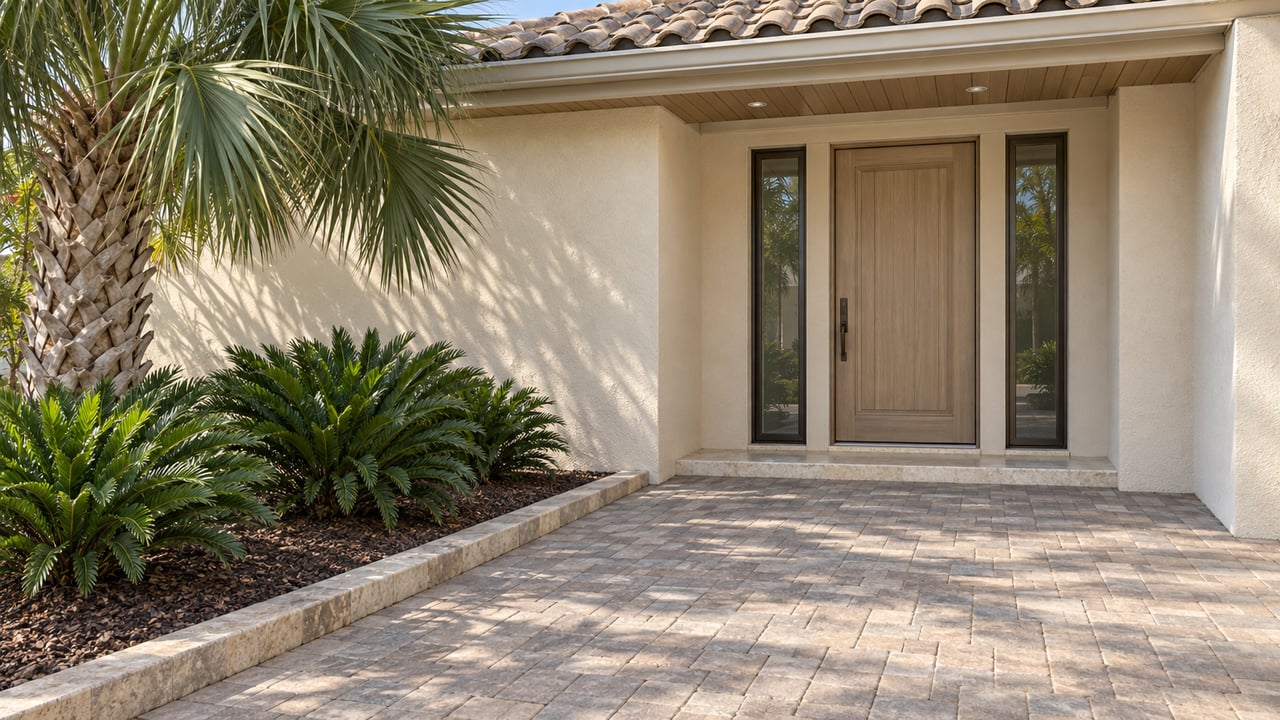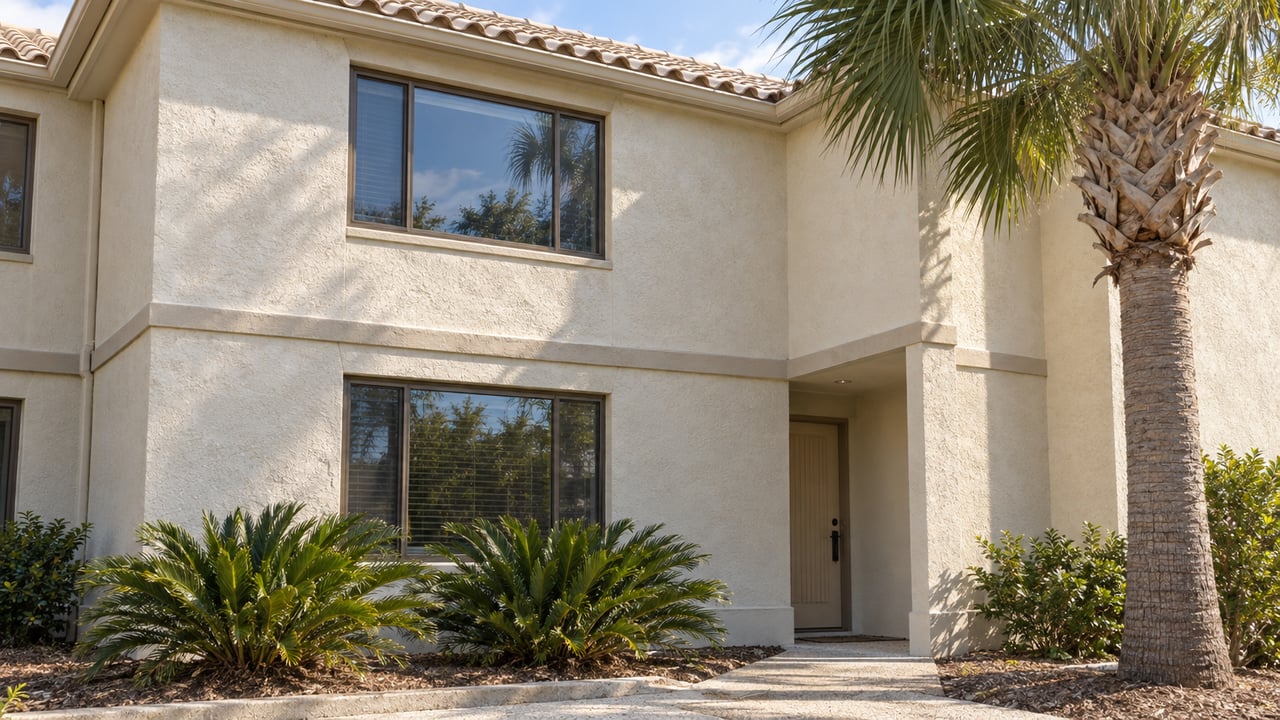
If you’re deciding between a condo and a home in Venice, you’re not just choosing a floor plan. You’re choosing how you want to spend your time, what kind of upkeep you want to handle, and how comfortable you are with shared rules and shared costs. In a coastal market like Venice, that choice can affect your monthly budget, your maintenance load, and even your insurance planning. Let’s break it down so you can choose with more confidence.
Why This Choice Matters in Venice
Venice offers a lifestyle that draws many buyers for a reason. The city features historic downtown, more than 30 public parks, 5 miles of trails along the Intracoastal Waterway, and 3.5 miles of beaches according to city materials. Visit Venice also highlights 14 miles of Gulf beaches, golf access, and multiple recreation options.
That lifestyle often shapes the condo-versus-home decision. If you want to spend more time at the beach, biking, golfing, or enjoying downtown, low-maintenance living may matter more. If you want more privacy, more control, or more room to spread out, a single-family home may feel like the better fit.
Venice also has a housing profile that supports both paths. Census estimates put the city at 30,477 residents in July 2025, with 61.4% of residents age 65 or older. With 80.4% of housing units owner-occupied and a median owner-occupied home value of $434,700, Venice includes many long-term owners, seasonal residents, and retirees who often weigh convenience against independence.
What a Condo Usually Offers
A condo often works well if you want less exterior upkeep. In Florida, condominium associations are generally responsible for maintaining, repairing, and replacing common elements, though the exact split can vary based on the condo documents. That can reduce how much you personally need to manage compared with owning a standalone house.
For many Venice buyers, that tradeoff is appealing. You may be able to enjoy proximity to beaches, downtown, trails, or golf without handling a yard, roof planning, or some exterior maintenance on your own. That can be especially helpful if you’re buying a seasonal property or downsizing into a simpler routine.
Still, convenience does not mean hands-off ownership. Condo living comes with shared governance, monthly dues, association rules, and the possibility of special assessments. You are also buying into the financial health and physical condition of the building, not just the unit itself.
Condo Benefits to Consider
- Less exterior maintenance for you personally
- Potentially easier lock-and-leave ownership for seasonal use
- Shared responsibility for many common building elements
- Good fit for buyers who value convenience and location
Condo Questions to Ask
- What does the monthly association fee cover?
- What maintenance is handled by the association versus the owner?
- Is there a history of special assessments?
- What do the budget and annual financial statement show?
- If applicable, is there a current Structural Integrity Reserve Study and milestone-inspection summary?
What a Single-Family Home Usually Offers
A single-family home often gives you more control. You usually have more freedom over the property, more room for customization, and fewer shared-building obligations than you would in a condo. For buyers who want a yard, more storage, a private pool, or more separation from neighbors, that added independence can be a big plus.
That said, more control also means more responsibility. With a home, you are typically the one planning for roof replacement, exterior upkeep, landscaping, and major system repairs unless the property is in an HOA community with specific services. In Venice, that also means paying close attention to flood exposure, insurance costs, and long-term property maintenance.
Single-family homes can be a great fit if you want to shape the property around your lifestyle. They may also appeal to buyers who plan to stay long term and want flexibility over time. But it’s important to look beyond the listing price and think through the full ownership picture.
Home Benefits to Consider
- More control over the property
- More potential privacy and outdoor space
- Greater flexibility for updates and customization
- Fewer shared-building decisions
Home Questions to Ask
- Is the property in a flood zone?
- Would flood insurance be required with your mortgage?
- What are the likely ongoing maintenance costs?
- Is the home subject to an HOA, and if so, what does that HOA require?
Villas Can Be the Middle Ground
In Venice, villas are often seen as a compromise between condo living and single-family ownership. That can be true, but only if the governing documents actually create that balance. The word “villa” alone does not tell you who handles the roof, landscaping, exterior walls, or insurance responsibilities.
Many villas and single-family properties in Florida fall under HOA rules rather than condo law. Under Florida HOA law, a prospective buyer must receive a disclosure summary before signing, and that summary explains that you will be required to join the HOA, follow restrictive covenants, and pay assessments and special assessments. In other words, a villa may feel house-like in layout but still function very differently depending on the documents.
Venice Flood and Insurance Factors
In Venice, flood risk is not a side issue. Sarasota County says the area is susceptible to coastal, riverine, and urban flooding because of its Gulf location, flat topography, and subtropical climate. That makes flood-zone review an important step whether you’re buying a condo, villa, or house.
Sarasota County also notes that FEMA issued new flood maps on March 27, 2024, and those maps can affect insurance requirements and premiums. Most homeowner’s insurance does not cover flood damage, and there is typically a 30-day waiting period after buying a flood policy. If a building is in a Special Flood Hazard Area and your mortgage is federally backed, flood insurance is required.
This is where property type matters. With a condo, some flood-related exposure may be shaped by the building structure, association coverage, and shared systems. With a home, the responsibility often feels more direct because you are evaluating the entire structure, lot, and insurance setup as part of your ownership costs.
Condo Costs vs Home Costs
The biggest mistake buyers make is comparing only the sale price. A lower-priced condo may come with monthly association dues, while a home with no condo fee may bring higher direct maintenance responsibility. The better comparison is total monthly and long-term ownership cost.
When you compare options in Venice, look at:
- Mortgage payment
- Property taxes
- Homeowners insurance
- Flood insurance, if needed
- HOA or condo dues
- Reserve strength and possible special assessments
- Expected maintenance and repair costs
For condo buyers, reserve health matters in a big way. Florida law requires reserve funding for major capital items such as roof replacement, building painting, and pavement resurfacing, and certain buildings must follow Structural Integrity Reserve Study requirements. Weak reserves or reserve reductions can increase the chance of unexpected special assessments.
Important Condo Documents to Review
If you’re leaning toward a condo in Venice, document review is one of the most important parts of your due diligence. Florida law gives condo buyers the right to key records, and the contract can be voidable if required condo disclosures are not delivered.
Before you commit, review these carefully:
- The declaration
- Bylaws and rules
- Annual budget
- Annual financial statement
- Most recent milestone-inspection summary, if applicable
- Most recent Structural Integrity Reserve Study, if applicable
- Any record of current or past special assessments
For buildings that are three stories or higher, Florida law requires milestone inspections at 30 years and every 10 years after that. Those buildings also must complete a Structural Integrity Reserve Study at least every 10 years, covering major systems such as the roof, structure, fire protection, plumbing, electrical systems, waterproofing and exterior painting, and windows and exterior doors.
How to Decide What Fits You Best
The right choice usually comes down to your lifestyle and your comfort with responsibility. If you want low exterior upkeep, easy lock-and-leave living, and are comfortable with association oversight, a condo may be the right fit. If you want more space, control, and flexibility, a single-family home may be a better long-term match.
A villa may land in the middle, but only after you confirm what the HOA actually covers. In Venice, that extra step matters because community rules and maintenance splits can vary a lot from one property to another. The smartest buyers focus less on labels and more on documents, costs, flood exposure, and daily lifestyle.
When you walk through properties, ask yourself a few honest questions:
- Do you want to manage a yard and exterior systems?
- Are you comfortable with association rules and shared decisions?
- Is seasonal convenience more important than flexibility?
- Would you rather budget for dues or for direct maintenance?
- How important are flood-zone details and insurance costs in your budget?
The best choice is the one that supports how you actually want to live in Venice, not just what looks best in a listing photo.
If you want help comparing condos, villas, and homes in Venice with a clear eye on lifestyle, upkeep, and long-term costs, Bobbie Leahey is here to guide you with honest advice and local insight.
FAQs
What is the main difference between a condo and a home in Venice?
- A condo usually offers less exterior maintenance for the owner and more shared governance through an association, while a home usually offers more control, more direct maintenance responsibility, and fewer shared-building obligations.
What should condo buyers review before buying in Venice?
- Condo buyers in Venice should review the budget, financial statements, governing documents, special-assessment history, milestone-inspection summary if applicable, and the most recent Structural Integrity Reserve Study if applicable.
What should home buyers check about flood risk in Venice?
- Home buyers in Venice should check whether the property is in a flood zone, whether flood insurance would be required with the mortgage, and how the current flood maps may affect insurance requirements and premiums.
Are villas in Venice the same as condos?
- Villas in Venice are not automatically the same as condos because many are governed by HOA documents, and the maintenance split depends on the specific community documents.
How do condo fees compare with owning a home in Venice?
- Condo fees can cover maintenance that a homeowner would otherwise pay for directly, so the better comparison is total monthly and long-term ownership cost rather than sale price alone.
Why do reserve studies matter for Venice condos?
- Reserve studies matter for Venice condos because they help show whether the association is planning for major repair and replacement costs, which can affect the risk of future special assessments.